Permits
Sign Permits in South Carolina
South Carolina cities and counties issue sign permits under their own zoning ordinances, and a lit sign also needs an electrical permit. Columbia, Greenville and the coastal towns each set their own limits.
In Charleston, signs within the Board of Architectural Review’s jurisdiction are reviewed case by case, and the BAR’s policy statement takes precedence over the sign article of the zoning ordinance. A business may use up to two of five sign types (facade, right-angle, window/door, menu board, awning or canopy), signs go only on first-floor facades that front a public street, and every application includes a cross-section showing how the sign attaches to the building.
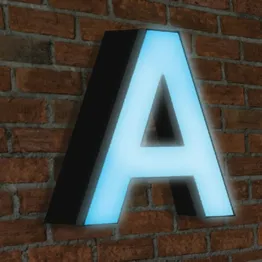
A facade sign is limited to one per business and 10 percent of the ground-floor facade, and individually pin-mounted letters are encouraged because they don’t detract from the architecture. Illumination is allowed only for businesses that operate after dark, at a muted tone and brightness, and must be approved by the City Architect or the Board before the sign permit. Cabinet or box signs, exposed or unfinished returns, and clear or tinted acrylic backing panels aren’t permitted.
| Sign permit | Your city or county |
|---|
| Charleston historic areas | BAR policy statement (posted Feb. 12, 2026) |
|---|
| Facade sign | One per business, up to 10% of the ground-floor facade |
|---|
| Lit signs | Only for businesses open after dark; City Architect or BAR approval |
|---|
New to sign permits? Read how sign permits work and what your electrician needs.
Official sources
Rules change. Always confirm with the office that issues your permit before you order.